
DMs Are Broken: Why Digital Connection Needs a New System
Dec 5, 2025
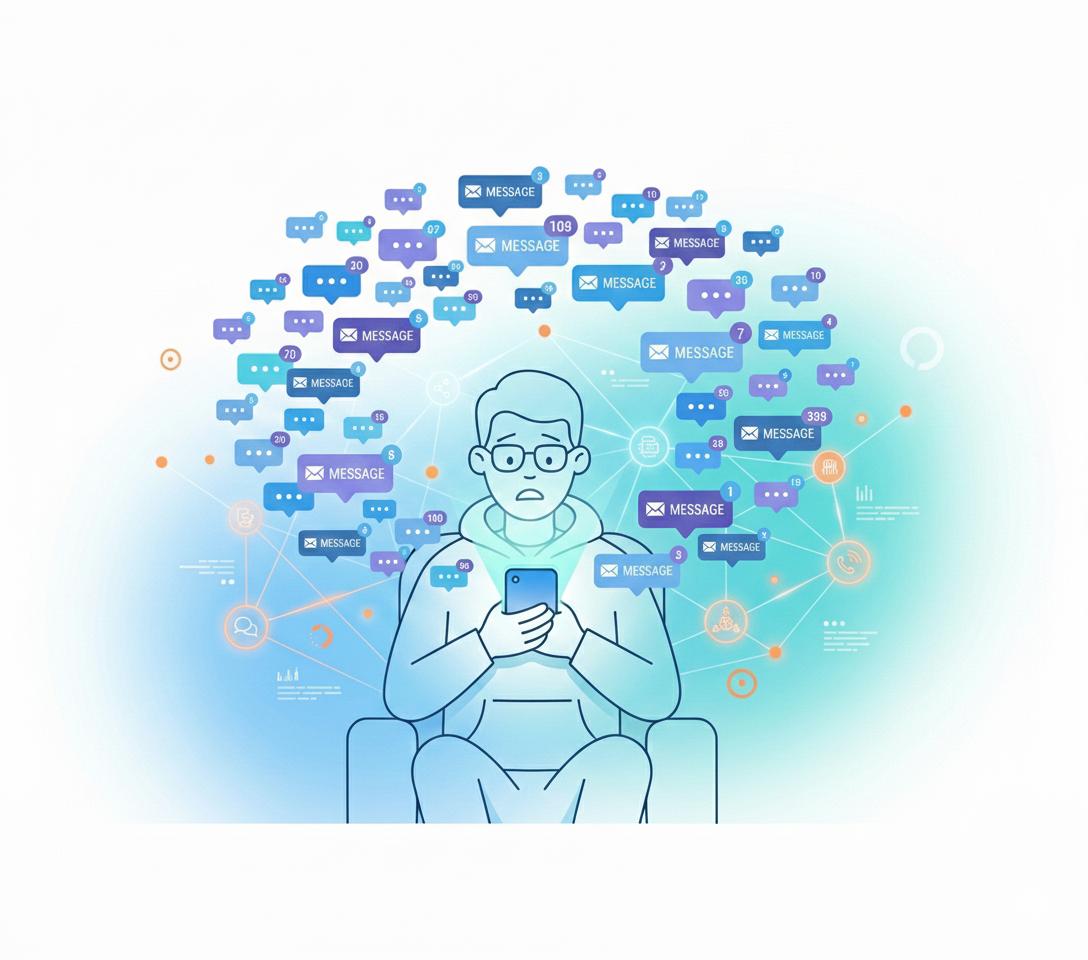
Direct messages were supposed to make online communication more human.
Instead, they’ve become cluttered, overwhelming, and increasingly ineffective. What started as a simple way to connect has turned into a chaotic mix of spam, ignored requests, missed opportunities, and one-sided conversations.
If DMs feel broken, it’s because they are — not because people don’t want to connect, but because the system itself no longer works at scale.
This article breaks down why DMs fail today, what that means for creators, professionals, and brands, and why digital connection needs a new system altogether.
What Are DMs and Why Did They Matter?
Direct messages (DMs) were designed to enable private, personal communication on public platforms. They allowed:
· One-to-one conversations
· Informal networking
· Relationship building without public pressure
In the early days of social platforms, DMs felt intimate and intentional. A message usually meant interest, curiosity, or genuine outreach.
That signal has disappeared.
Why Are DMs Broken Today?
1. DMs Don’t Scale With Human Attention
The average creator, founder, or professional receives far more messages than they can reasonably respond to.
As inbox volume increases:
· Important messages get buried
· Response quality drops
· Most messages go unread
The system assumes unlimited attention, but human attention is finite.
2. Low Signal, High Noise
Today’s DMs are flooded with:
· Cold pitches
· Copy-paste outreach
· Automated messages
· Vague “hey” openers
As a result, intent is unclear. The receiver can’t easily tell:
· Why someone is reaching out
· What they want
· Whether responding is worth the time
When everything looks the same, most messages are ignored.
3. DMs Create Asymmetrical Effort
Sending a DM is easy. Responding is not.
This creates an imbalance:
· The sender invests seconds
· The receiver must invest time, energy, and context switching
Over time, this leads to inbox avoidance, not connection.
4. There’s No Context Built In
DMs lack structure.
There’s no native way to:
· Share intent clearly
· Set expectations
· Guide the conversation
Every message starts from zero. The receiver has to interpret tone, purpose, and relevance from scratch.
5. Algorithms Made DMs Worse
Many platforms now:
· Filter or hide message requests
· Prioritise engagement over relevance
· Push unread messages down
Even well-intended messages often never reach the right moment — or the right person.
The Real Problem: DMs Were Built for Casual Use, Not Meaningful Connection
DMs were never designed for:
· Professional networking
· Creator-fan relationships at scale
· High-intent conversations
· Trust-based digital interactions
Yet we’ve forced them into those roles.
The result? Frustration on both sides.
Why Digital Connection Needs a New System
The future of digital connection isn’t about sending more messages. It’s about changing how connection happens.
A better system must solve what DMs cannot.
1. Intent Should Be Clear From the Start
Digital connection should make it obvious:
· Why someone wants to connect
· What the interaction is about
· What the other person can expect
Clarity reduces friction and increases response rates.
2. Connection Should Be Opt-In, Not Interruptive
Instead of interrupting someone’s inbox, modern systems should:
· Let people invite connection on their terms
· Respect attention and boundaries
· Create space for intentional interaction
Connection should feel welcomed, not intrusive.
3. Conversations Need Structure
Unstructured chats don’t scale.
A new system should support:
· Guided conversations
· Context upfront
· Defined outcomes
This doesn’t remove authenticity — it protects it.
4. Quality Should Matter More Than Volume
The value of connection isn’t measured by:
· How many messages are sent
· How many DMs are received
It’s measured by:
· Relevance
· Mutual interest
· Meaningful exchange
A better system prioritises quality over quantity.
Are DMs Still Useful at All?
Yes — but only in limited contexts.
DMs still work when:
· There’s an existing relationship
· The message is expected
· The intent is obvious
They fail when used as the primary tool for:
· Networking at scale
· Creator engagement
· High-signal communication
What Comes After DMs?
The next phase of digital connection will likely involve:
· Dedicated connection layers separate from feeds
· Systems built around conversations, not interruptions
· Tools that help people express interest before messaging
Instead of asking:
“How do I get more replies to my DMs?”
The better question is:
“Why are we still relying on DMs at all?”
How Platforms Like Vezer Are Rethinking Digital Connection
New platforms are emerging to address these problems by:
· Replacing cold DMs with intentional interactions
· Giving creators and professionals control over access
· Turning conversations into experiences, not noise
This shift isn’t about abandoning messaging — it’s about fixing what messaging never solved.
Frequently Asked Questions
1. Why don’t people reply to DMs anymore?
Because inboxes are overloaded, messages lack context, and responding requires disproportionate effort.
2. Are DMs bad for networking?
DMs are inefficient for networking at scale. They work best only when there’s prior context or mutual interest.
3. What is replacing DMs?
Structured, opt-in digital connection systems that prioritise intent, relevance, and mutual value are emerging as alternatives.
4. How can creators connect without DMs?
By using tools that let audiences initiate intentional interactions rather than sending unsolicited messages.
Final Thoughts: The Future Is Intentional Connection
DMs didn’t fail because people stopped caring about connection.
They failed because connection outgrew the system built to support it.
As digital relationships become more important — not less — the tools we use must evolve. The next era of online interaction will belong to platforms that respect attention, clarify intent, and make connection meaningful again.
DMs were the beginning.
They shouldn’t be the end.